Racking
 Selective: Roll-Formed
 Selective: Structural
 Cantilever
 Dynamic: Carton-Flow
 Dynamic: Pallet-Flow
 Dynamic: Push-Back
 Pallet Shuttles (CS)
 Mezzanine | Pick Modules (CS)
 Rack Supported Buildings (CS)
 Gravity Conveyor (CS)
 Drive-In | Drive-Thru (CS)
 Shelving
 Shelving: Boltless Tab Rack
 Services
1. AI-Driven Automation Moves From Option to Standard
Automation has been accelerating for years, but 2026 marks a tipping point: AI-powered systems will become a standard requirement rather than a competitive advantage. Key areas gaining speed:- Predictive inventory management
- AI-guided picking systems
- Autonomous mobile robots (AMRs) integrated with racking
- Real-time demand forecasting
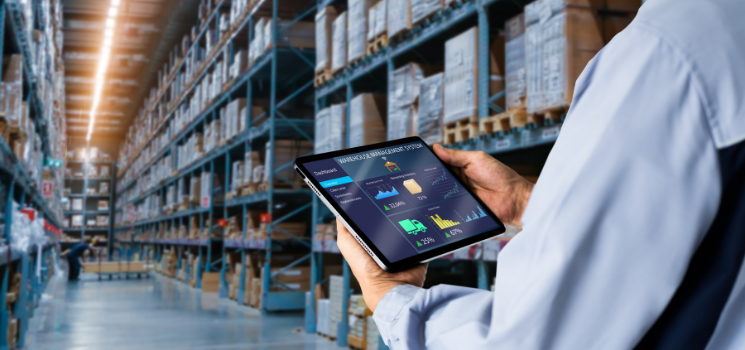
Reports from the World Economic Forum highlight how AI-powered automation reduces error rates, increases throughput and improves end-to-end visibility across logistics ecosystems. You can learn more in their supply chain insights reports here: https://www.weforum.org/ Warehouses that delay adoption risk falling behind both in cost efficiency and service levels.
2. Safety Becomes a Competitive Advantage, Not Just Compliance
One of the most significant 2026 warehouse trends is the shift from safety as a regulatory requirement to safety as a strategic driver of profitability. Why?- Insurance premiums continue rising.
- Downtime from preventable accidents remains a top operational cost.
- Customers increasingly evaluate partners based on safety culture.
- Impact-resistant storage systems
- Rack protection technology
- Better warehouse layout design
- Real-time monitoring and IoT sensors for collision alerts
3. High-Density Storage Rises as Land and Leasing Costs Increase
Land scarcity and rising industrial rental rates push companies toward more efficient use of cubic space. This is accelerating adoption of:- High-bay storage
- Mobile racking
- Carton flow and pallet flow systems
- Multi-level mezzanines
4. Nearshoring and Regionalization Reshape Inventory Strategies
The nearshoring wave continues strengthening through 2026 warehouse trends, particularly in México and the U.S. border region. This trend directly affects warehouse layout planning, inventory volumes and SKU complexity. Companies are shifting from:- Lean inventory → to → resilient inventory
- Long supply chains → to → regional supplier networks
- Higher inbound volumes
- More raw materials storage
- Increased demand for cross-border agility
5. Workforce Augmentation: Humans + Technology Working Together
The labor shortage remains one of the most defining 2026 warehouse trends. Even with automation accelerating, human workers remain essential, especially in complex picking environments. Successful warehouses focus on:- Reducing physical strain with improved ergonomics
- Implementing digital training tools
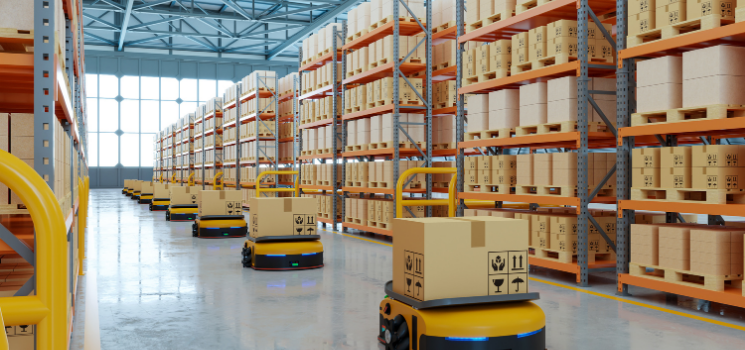
- Enhancing teamwork between workers and AMRs
- Upskilling staff for tech-supported roles
6. Sustainability Turns Into a Cost-Saving Strategy
Sustainability is no longer marketing—it’s financial justification. In 2026 warehouse trends, cost-efficient sustainability will be among the top decision factors for warehouse upgrades. Key initiatives include:- Energy-efficient lighting and automation
- Recyclable or modular storage systems
- Reduced forklift usage
- Renewable energy integration in facilities
7. Real-Time Visibility and Smart Warehousing Become Mandatory
Data aggregation and real-time tracking will shape warehouse competitiveness in 2026. Among the most requested functions:- Digital twins for warehouse simulation
- Real-time inventory accuracy
- Integration between warehouse management systems and racking automation
- IoT sensors for monitoring equipment performance
- Predictive analytics for demand and labor planning
Why These 2026 Warehouse Trends Matter
Each of these trends directly determines whether a warehouse stays ahead or falls behind the industry:- Higher throughput reduces operational cost.
- Safety as strategy prevents downtime and builds trust with clients.
- Automation and AI create systems that scale with demand.
- Better space utilization helps offset rising leasing costs.
- Regional supply chains improve resilience and delivery speed.
Ready to Prepare Your Warehouse for 2026?
If your operation needs safer, more efficient and future-ready racking systems, our engineering team can help you design the right solution. From selective, high-density, dynamic, and custom storage systems, RackUSA delivers optimized structures built for next-year challenges.