Introduction
When it comes to storage efficiency, few choices are as important as the type of shelving you install. Businesses often find themselves comparing
metal shelving vs plastic shelving — both have their place, but the long-term benefits of
metal shelving often make it the preferred choice for industrial, commercial, and warehouse settings.
In this article, we’ll break down their differences in strength, durability, cost, and adaptability so you can choose what truly fits your operation.
1. Strength and Load Capacity
The first and most noticeable difference is
strength.
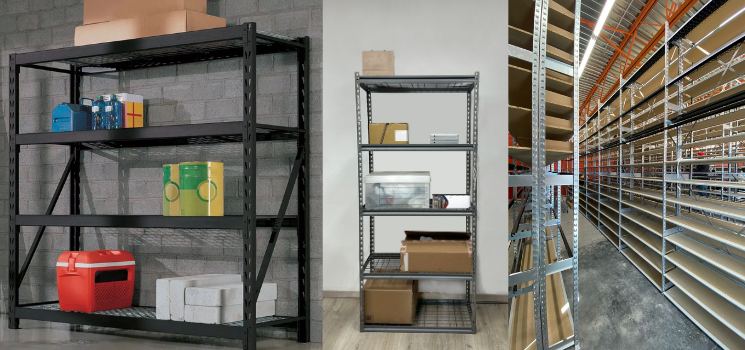
Metal shelving can handle substantially higher weight loads without warping or bending. This makes it ideal for warehouses, distribution centers, and retail backrooms that store heavy or dense items.
In contrast,
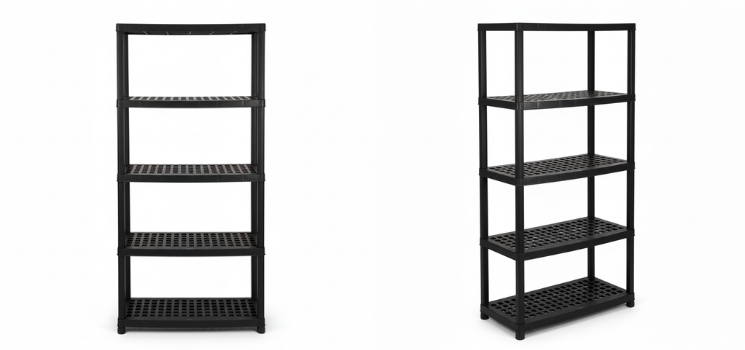
plastic shelving is better suited for lighter goods or temporary setups. Under heavy stress, plastic tends to flex and lose stability — an issue that becomes more pronounced with time or temperature changes.
According to
Racking Solutions UK, metal systems are engineered to maintain structural integrity under load, ensuring consistent performance even after years of use.
2. Durability and Maintenance
Metal shelving is designed for longevity.
When galvanized, powder-coated, or treated for corrosion, it resists wear, impact, and deformation far better than plastic alternatives. While
plastic shelving naturally avoids rust, it can become brittle or discolored over time, especially in areas with high heat or UV exposure.
Moreover, metal systems can be easily maintained or refurbished — a simple repaint or recoat restores them for years of continued service. In contrast, once plastic shelving cracks or deforms, it often needs complete replacement.
That durability translates directly into savings over time — fewer replacements, less downtime, and lower total cost of ownership.
3. Safety and Stability
Safety is often overlooked when choosing shelving materials, yet it’s critical.
Metal shelving offers far better structural stability, especially for facilities with high stacking or frequent equipment traffic like forklifts. Its rigidity minimizes tipping hazards and maintains load balance.
Plastic shelving, though lightweight and easy to move, can be less stable under vibration or uneven floors — a risk factor in industrial environments.
4. Cost and Long-Term Value
At first glance,
plastic shelving may seem more affordable. It’s lighter, easier to assemble, and has a lower initial cost. But if your facility stores medium to heavy goods or operates continuously,
metal shelving delivers a stronger return on investment.
Its durability and load-bearing strength reduce replacements, maintenance, and safety incidents — all hidden costs that add up quickly with plastic alternatives.
According to
Material Handling Institute (MHI), choosing shelving that aligns with your operational demands is one of the best ways to improve both productivity and asset life cycle. In most warehouse environments, that means going metal.
5. Environmental Resistance
When it comes to humidity or temperature extremes,
metal shelving with proper coatings outperforms most plastics. Galvanized steel can resist rust even in damp or cold storage environments, while powder-coated finishes protect against oxidation and chemical exposure.
Plastic shelving performs well in moisture-prone areas but lacks resilience against high temperatures or UV exposure — it can deform or weaken faster than treated metal.
For facilities seeking long-term reliability across multiple conditions, metal remains the most adaptable choice.
6. Adaptability and Design Flexibility
Modern
metal shelving systems come in numerous formats — from
bulk shelving for heavier loads to
tab or
rivet systems for lighter, modular applications. Each can be adjusted, expanded, or reconfigured as your business grows.
While
plastic shelving is lightweight and simple to move, it often lacks modular compatibility or scalability for large operations.
In essence,
metal shelving scales with your business, not against it.
7. Sustainability and Recycling
Another often-overlooked advantage of metal is its sustainability.
Steel shelving is fully recyclable — when a unit reaches the end of its life, it can be repurposed without generating waste.
Plastic, on the other hand, is less frequently recycled due to material degradation and sorting complexity. Choosing metal shelving supports long-term environmental responsibility without sacrificing performance.
8. Making the Right Choice
Here’s a quick comparison summary:
| Feature |
Metal Shelving |
Plastic Shelving |
| Load Capacity |
High (heavy-duty) |
Low to medium |
| Durability |
Long-lasting |
Prone to cracking |
| Moisture Resistance |
Excellent with coating |
Naturally resistant |
| Maintenance |
Minimal (refinishable) |
Must replace if damaged |
| Cost Over Time |
Lower (better ROI) |
Higher (frequent replacement) |
| Sustainability |
Fully recyclable |
Limited recycling |
Conclusion
When you balance performance, durability, safety, and total cost,
metal shelving stands out as the smarter long-term investment. It delivers higher load capacity, longer lifespan, and better adaptability for growing operations — without compromising on appearance or safety.
If your goal is to maximize efficiency and organization in your warehouse, workshop, or retail storage area,
metal shelving provides the best combination of strength and value.
At
RackUSA, we help businesses design and implement complete shelving solutions — from light-duty rivet systems to full-scale bulk shelving.

FAQs
Q1. Is metal shelving worth the higher cost?
Absolutely. The extended durability, safety, and load capacity typically offset the upfront investment within the first few years of use.
Q2. Will metal shelving rust in humid environments?
Not when treated correctly. Galvanized or powder-coated finishes protect metal shelves against corrosion even in high-humidity areas.
Q3. Can I combine metal and plastic shelving?
Yes. Many warehouses use plastic for lightweight items and metal shelving for heavier or high-traffic zones — a hybrid setup that balances cost and durability.
Q4. Does metal shelving require maintenance?
Minimal. Periodic cleaning and inspections are enough to maintain performance for years.
Q5. Is metal shelving environmentally friendly?
Yes. Steel is 100% recyclable, making it a sustainable option for long-term storage infrastructure.

 Racking
 Selective: Roll-Formed
 Selective: Structural
 Cantilever
 Dynamic: Carton-Flow
 Dynamic: Pallet-Flow
 Dynamic: Push-Back
 Pallet Shuttles (CS)
 Mezzanine | Pick Modules (CS)
 Rack Supported Buildings (CS)
 Gravity Conveyor (CS)
 Drive-In | Drive-Thru (CS)
 Shelving
 Shelving: Boltless Tab Rack
 Services